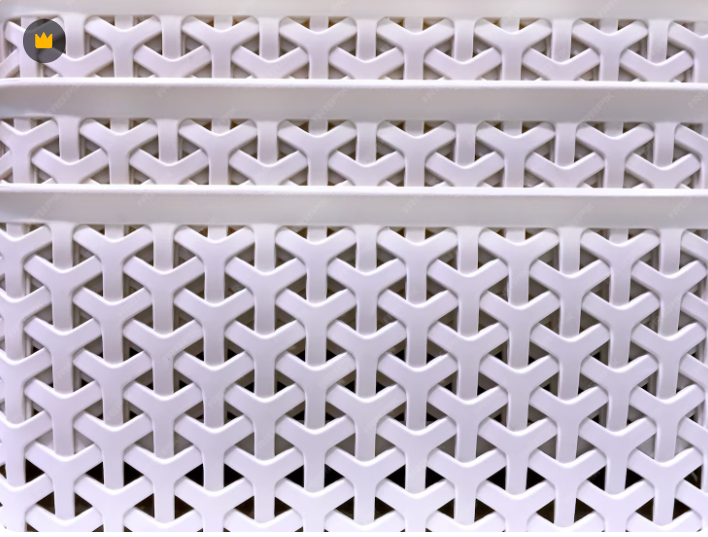
GRC Jali has become a popular architectural element in modern construction due to its durability, lightweight nature, and aesthetic appeal. Made from GFRC (Glass Fiber Reinforced Concrete), GRC Jali is widely used for facades, balconies, partitions, boundary walls, and ventilation screens.
GRC Jali has become a popular architectural element in modern construction due to its durability, lightweight nature, and aesthetic appeal. Made from GFRC (Glass Fiber Reinforced Concrete), GRC Jali is widely used for facades, balconies, partitions, boundary walls, and ventilation screens. A proper GRC Jali installation process is essential to ensure strength, safety, and long-term performance. This guide explains the complete GRC Jali setup process along with important precautions.
What is GRC Jali?
GRC Jali is a decorative perforated panel manufactured using cement, fine aggregates, polymers, and alkali-resistant glass fibers. Compared to traditional concrete or stone jali, GFRC-based GRC Jali offers higher tensile strength, design flexibility, and resistance to weather conditions.
Step-by-Step GRC Jali Installation Process
1. Site Inspection and Measurement
Before starting the GRC Jali installation, a detailed site inspection is carried out. Accurate measurements of height, width, and alignment are taken to ensure perfect fitting. Structural load capacity of the wall or framework must also be checked.
2. Surface Preparation
The installation surface should be clean, level, and structurally sound. Remove dust, loose plaster, oil, or debris. For exterior installations, waterproofing treatment is recommended to avoid moisture-related issues later.
3. Framework Preparation
For large or heavy GRC Jali panels, a mild steel (MS) or galvanized iron (GI) framework is prepared. This framework acts as a support system and helps distribute the load evenly. Anti-rust primer and paint should be applied to prevent corrosion.
4. Panel Positioning
Carefully lift the GRC Jali panels using proper lifting tools to avoid cracks or breakage. Panels are dry-fitted first to check alignment, level, and spacing. This step is crucial in the GRC Jali setup process.
5. Fixing and Anchoring
Panels are fixed using stainless steel anchors, bolts, or clamps depending on design and load requirements. For wall-mounted jali, chemical anchors or mechanical fasteners are commonly used. Adequate expansion gaps should be maintained to accommodate thermal movement.
6. Joint Treatment
Joints between GRC Jali panels are filled using flexible sealant or polymer-based grout. This ensures a clean finish and prevents water seepage. Proper joint treatment also improves the overall appearance.
7. Finishing and Curing
After installation, surface finishing such as texture coating or paint can be applied if required. Light curing with water may be done for a few days to enhance strength, especially for exterior GRC Jali installations.
Precautions During GRC Jali Installation
1. Handle with Care
Although GFRC panels are strong, they can crack if mishandled. Always lift panels vertically and avoid sudden impact.
2. Use Proper Fixing Materials
Only stainless steel or anti-corrosive fittings should be used. Low-quality fasteners can rust and weaken the structure over time.
3. Allow Expansion Gaps
GRC Jali expands and contracts slightly due to temperature changes. Expansion gaps are essential to prevent stress cracks.
4. Skilled Labor Requirement
GRC Jali installation should be done by trained professionals. Improper fixing or alignment can affect both safety and aesthetics.
5. Weather Considerations
Avoid installation during heavy rain or extreme heat. Moisture and high temperatures can impact bonding and curing quality.
6. Structural Load Check
Ensure the supporting wall or framework can bear the load of the GRC Jali panels, especially for high-rise or exterior applications.
Benefits of Proper GRC Jali Setup
Conclusion
A well-planned GRC Jali installation process ensures not only visual elegance but also structural safety and durability. From accurate measurement and strong framework to careful fixing and proper precautions, every step plays a vital role. Using high-quality GFRC materials and skilled installation practices guarantees that your GRC Jali setup will remain strong, functional, and attractive for years to come.
FAQs
1. What is the difference between GRC and GFRC?
GRC and GFRC are often used interchangeably. GFRC refers to Glass Fiber Reinforced Concrete, while GRC (Glass Reinforced Concrete) is the commonly used term in construction. Both offer high strength, durability, and design flexibility.
2. Is GRC Jali suitable for exterior use?
Yes, GRC Jali is ideal for exterior applications. It is weather-resistant, fire-resistant, and performs well in varying climatic conditions when installed correctly with proper sealing.
3. How long does GRC Jali installation take?
The installation time depends on design complexity, panel size, and site conditions. On average, standard GRC Jali installation can be completed within 1–3 days.
4. Does GRC Jali require regular maintenance?
GRC Jali requires minimal maintenance. Periodic cleaning and inspection of joints and fixings are usually sufficient to maintain its appearance and durability.
5. Can GRC Jali be customized in design and size?
Yes, GRC Jali can be fully customized in terms of patterns, thickness, size, and finish, making it suitable for both traditional and modern architectural designs.